Every job below is one we do ourselves across Waldorf.
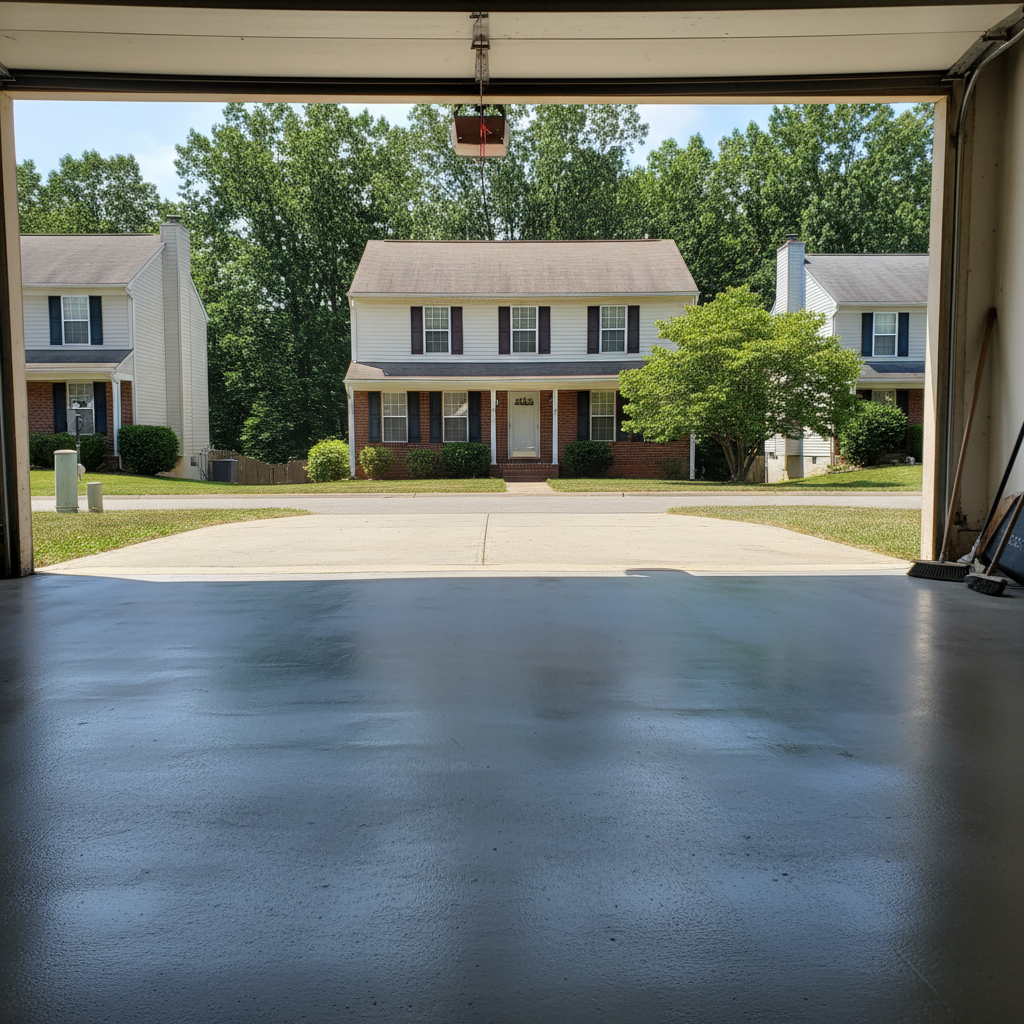
A driveway slab takes direct tire weight and salt all winter, so we run 4 inches of concrete over a compacted stone base, with wire mesh or rebar depending on what the soil underneath is doing. We saw-cut control joints the same day as the pour, so the slab cracks where we tell it to instead of wherever it wants. Broom finish is standard for traction, exposed aggregate or stamped is available if you want something with more character.
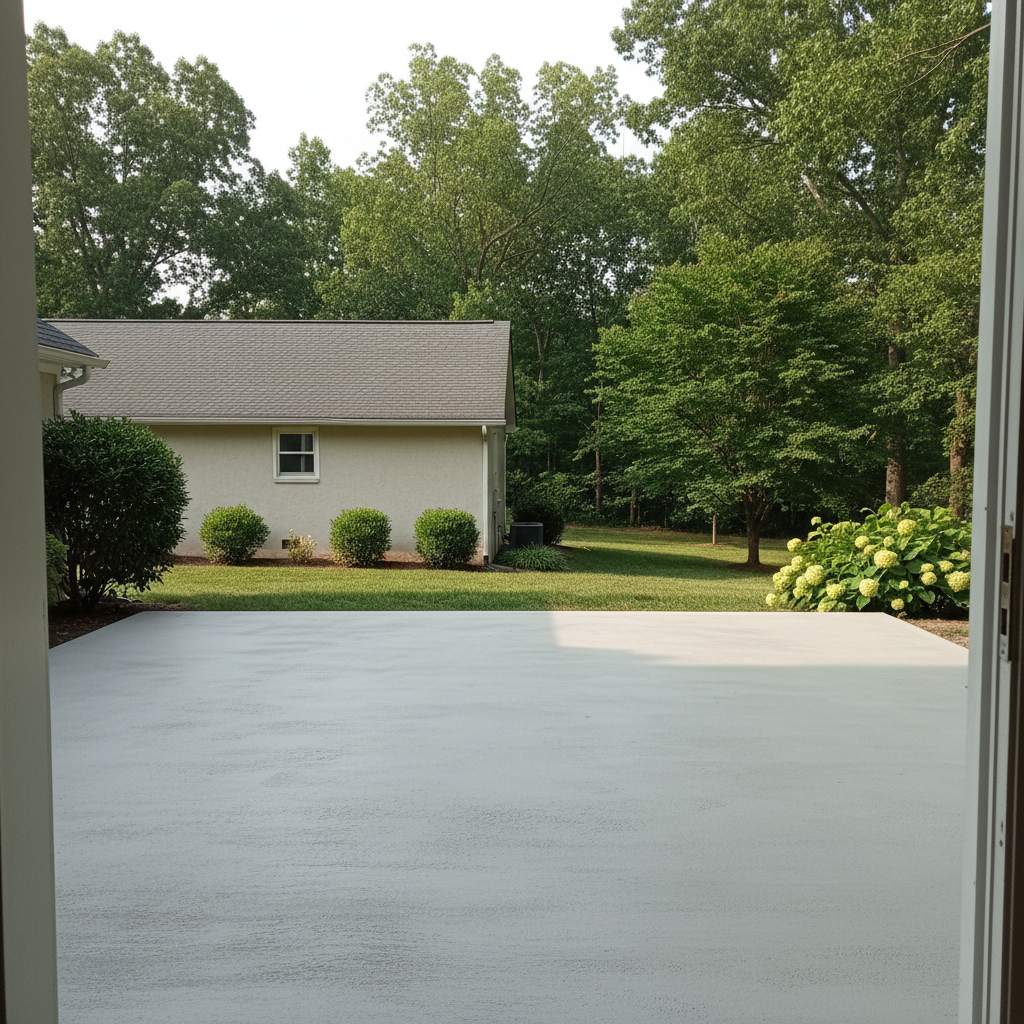
Patio slabs don't carry car weight, so the mix and base depth are lighter than a driveway, but drainage still has to pitch away from the house or you'll be looking at standing water by the back door. We set forms to grade before anything gets poured, not after. Broom, trowel or stamped finish, your call.
Stamped concrete gets you the look of flagstone, slate or brick without the joints where weeds and ants move in. We color the slab with integral pigment or a broadcast hardener, then press the pattern while the concrete is still plastic, which is a narrow window on a hot day. Sealing it afterward is what keeps the color from chalking out in a year or two.
Spalling, pop-outs and hairline cracks are usually cosmetic, but a slab that's heaved or settled more than an inch is a sign the base underneath has washed out or shifted. We'll tell you straight if a section has to come out and get repoured instead of patched, because a patch over a bad subgrade just fails again.
Shed, garage or addition slabs call for a footing and a vapor barrier underneath, not just concrete poured on dirt. We check compaction before the pour, because a slab that's fine the day we leave can crack within a year if the fill underneath wasn't packed right. Thickness and rebar schedule depend on what's going on top of it.
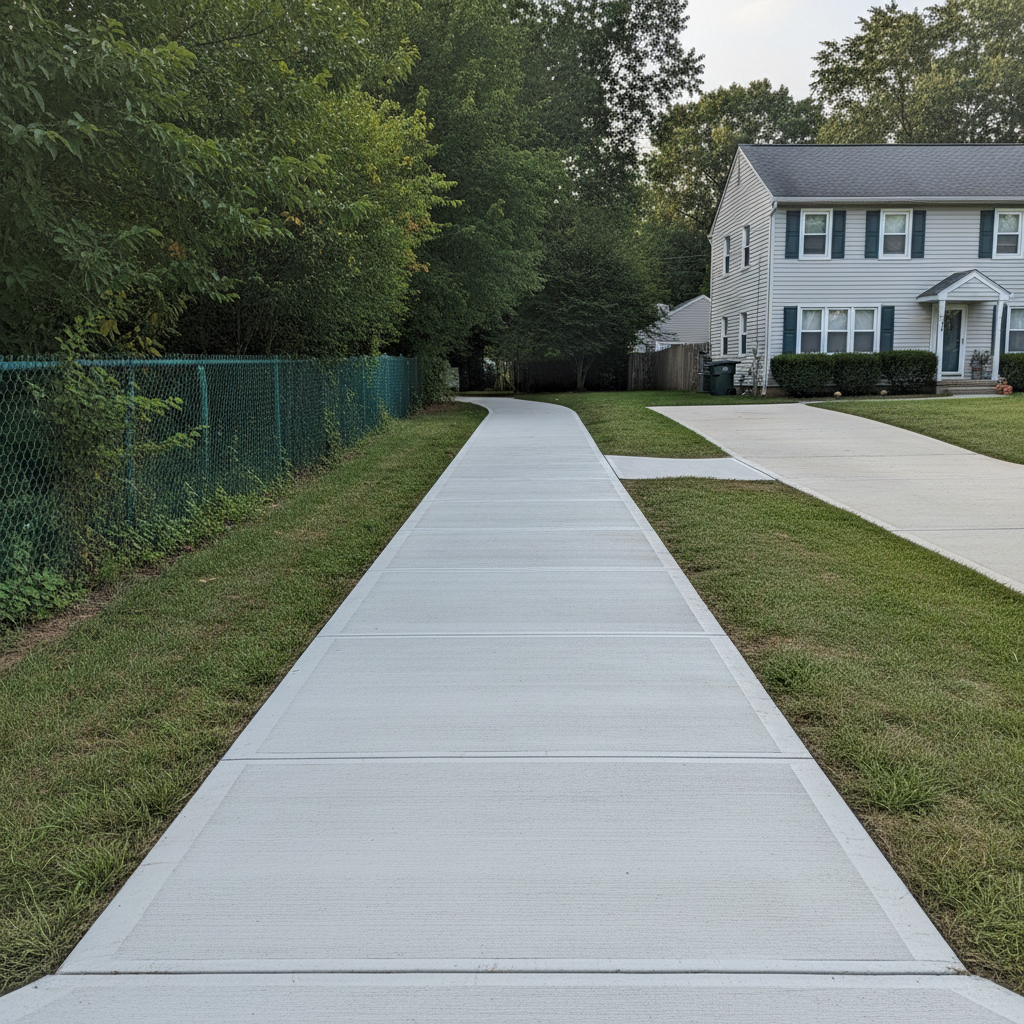
Walkway slabs crack more than any other flatwork because they're narrow and get less rebar, so joint spacing matters more here than almost anywhere else on the property. We keep joints every 4 to 5 feet and tie into existing walks with a dowel so the two sections move together instead of apart.
Steps take a beating from foot traffic, de-icing salt and standing water on the tread, so we true up the rise and run before forming, usually 7 inches rise, 11 inches run for code and for comfort. A non-slip broom finish on the treads matters more here than on flat concrete.
Exposed aggregate finish works the stone in the mix to the surface instead of burying it, so you get texture and traction without stamping. We wash and brush the top layer while the concrete's still green, timing that window is most of the skill in it. Good for pool decks and driveways where slip resistance matters.
If a slab is still structurally sound but the surface is pitted, stained or spalling from years of salt, a bonded overlay can give it a new face for less than a tear-out and repour. It won't fix a slab that's cracked through or settled, that's a repair job, not a resurfacing job.
Retaining walls hold back soil that wants to move, so drainage behind the wall matters as much as the wall itself. We put gravel backfill and a drain pipe behind block or poured walls so water doesn't build up and push the wall out. Skipping that step is why a lot of retaining walls fail within a few years.
Four steps, and no surprises in any of them.
You tell us what you want doing, we look at what is actually there, and we ask the awkward questions early.
In writing, itemised, free. If something might add cost later we flag it now rather than at the end.
Same crew throughout. We cover your floors, keep the dust down and tidy up before we leave each day.
You point out anything you are not happy with and we fix it before the invoice, not after.
These are the towns we're regularly out in for concrete jobs.
Questions that come up once a project's actually underway.
Describe the problem and we will tell you what it probably is. No obligation.